Monday, August 24, 2015

That Was The Week That Was-3rd Week August


sad faceCNBC CALLED IT THE WORST DAY OF THE YEAR. For the S&P and DJIA. If you’re sitting on the sidelines looking for a massive slide to dip a toe back in you may want to wait for confirmation. The S&P 500 erased all gains for the year and is now in negative territory. All sectors finished Thursday negative. The cumulative volume was 7.9 billion shares, the most since August 12th. CNBC 8/20/2015

Tug of Wartug of war Between the Bulls & Bears.

Jonathan Krinsky, on CNBC 8/18, said, ‘There hasn’t been a 5 percent pullback in the S&P 500 since last December.’ The last time this happened, a full year without a 5% decline, was 20-years ago in 1995, and there were only four times before that. In each of those years, the markets posted an average return of 30 percent. But Krinsky doesn’t see that happening this year. He said it would be extremely rare to get through the last four months of the year without a correction of at least 5 percent. He finished by saying he thought the S&P 500 end the year 2% higher than current levels. Source CNBC 8/18


gas tankThe Petro War Continues. Oil Rises From 6-Year Lows, But Fall Expected to Resume. Data Showed Surprise Increase in U.S. Stockpiles. OPEC’s Production Has Climbed to a Multi-Year High in July. WSJ 8/20/2015

In previous blog: The Saudi’s are unrelenting in pumping oil to destroy the U.S. fracking industry. When prices fall U.S. producers cap the well and when prices rise begin pumping. The process continues.

Federal Reserve Minutes Offered No Clear Signal That it is getting ready to raise interest rates next month.  This dovish Fed minutes did little to calm investor nerves and a major selloff commenced on Thursday. The DJIA closed off 350 points.


jp morgan picJP Morgan’s Weekly Recap August 17: With full year 2015 EPS growth projected to be a meager 1%, we anticipate single digit returns for the S&P 500 this year, but anticipate a rebound in 2016 EPS growth as many of the macro headwinds have been dampening corporate profitability subside. A nice way of saying get used to a lousy year this but a better year next.


robert c dollRobert C. Doll, CFA, Senior Portfolio Manager, Nuveen Asset Management: August 17, Investment Commentary:

  • The devaluation of the Yuan roiled financial markets, but we do not believe it will trigger a currency war or widespread deflation.
  • Global growth continues to decouple, with the U.S. economy looking healthier than other regions.
  • We think investors should hold overweight positions in equities, with an emphasis on domestically-oriented companies.  


 trust DOLLAR VALUE VERSUS OTHER CURRENCIES The Chinese Yuan fell 4% versus the dollar a week past and pundits proclaimed the economic world ending. The fact that has been ignored by the press is that for the last year or so the dollar has been strong against the Euro, Yen, Australian dollar, Canadian dollar, Peso and other currencies only seemed to be a ‘ho-hum’ fact of life, and not the crisis that the Yuan plunge created. Multi-national domestic corporations have struggled during earning season with a strong domestic dollar and doing business in other parts of the world. So why the big deal with China? CNN provided a few ideas on the subject:

  • Size Matters. China is big.It is the second largest economy and when something happens people and industry listen.
  • Big domestic companies with big China exposure are worrisome.Once considered a positive big business doing business in China may spell trouble.
  • China slowdown? No one really knows. ‘Smoke and Mirrors?’ Some even wonder if Chinese officials and regulators actually know what they’re doing.
  • Trust is not something accepted by U.S. investors about China and Chinese companies.

Source CNN.com 8/14/2015 WHY CHINA SCARE INVESTORS.


kids and houseHousing Stocks Recovery. Not just the housing stocks but allied stocks in construction materials, appliances and real estate brokers are being buoyed from a deep slumber. IBD reported that some investors are looking at home builders in the entry level home business as they expect millennial home buying to rise. Investors can also look to ancillary plays in wallboard, cement, insulation, and other home building materials. SOURCE IBD 8/20/2015


made me smile…august cartoon 20157

cartoon 20158


The Daily Signal, ‘Four Reasons Obama’s New Methane Emission Regulations Don’t Make Sense:

  • Methane emissions are not harmful.
  • Regulations target energy sector, which impacts all American families and businesses.
  • The market is already driving emission reductions. ( The reason for the decline is that producers have an incentive to capture and sell methane.)
  • It’s another component to a costly, ineffective climate agenda.

‘The U.S. could grind the economy to a halt and cut all emissions, and the averted global warming would still be less than two-tenths of a degree Celsius over the next 85 years.’ source Dailysignal.com 8/18

counting on toes‘It’s years like this that dividends matter.’

whisper2 WHISPERS SOROS BUYING COAL COMPANIES IN DIRECT CONFLICT WITH LIBERAL SOCIAL BELIEFS. FOX NEWS 8/19


 DOW WAS DOWN OVER 200 POINTS WEDNESDAY BEFORE RECOVEING OFF ITS LOWS AND CLOSING OFF 162 AND THE NAZ WAS DOWN 40. GOOGLE FINANCE.COM 8/19

WHY ? REPEAT AFTER ME:

CHINA, DOLLAR, OIL, CHINA, DOLLAR, OIL, CHINA, DOLLAR, OIL…. AND THE FED…and the Fed and the Fed…Tra…la..la..fat lady sings2 

  • The Global Market Tug of War Means More Volatility for Investors.
  • Deflationary worries from slowing emerging markets economies, and dropping commodity prices.
  • The decent growth in developed countries like the U.S. & the U.K. are leaning toward increasing rates for the first time since the Great Recession.
  • Investment grade bonds are suffering because of a trend toward corporate releveraging. 
  • High yield bonds have fallen sharply, but much of that is in the energy, metals and mining sectors.
  • Investors are demanding a higher premium for uncertainty and the result will be greater volatility.  SOURCE WSJ. MARKETS/HEARD ON THE STREET/ WSJ PRO/8/20/2015


QUESTIONS CALL PAUL @ 586 295 0430 or WRITE HIM @ pstanley@westminsterfinancial.com. SHARE THIS BLOG WITH SOMEONE WHO CARES ABOUT THEIR MONEY.

SECURITIES OFFERED THROUGH WESTMINSTER FINANCIAL SECURITIES,INC. MEMBER FINRA/SIPC.

Monday, August 17, 2015

That Was The Week That Was-2nd Week August


china yuan CHINA DEVALUES YUAN 1.9%. DOLLAR SHOULD SOAR! BAD FOR OUR EXPORTS! China says it’s a one time adjustment made Monday last but John Gorman head of dollar interest rate trading for Asia and Pacific at Nomura Holdings, Inc. in Tokyo said this might by the start of a broader change. Experts are predicting any interest rate hikes by the U.S. Federal Reserve as early as September have faded. A strong Yuan has put pressure on China exports. China’s move is an indication the Chinese Central Bank perceives global economic weakness. A weaker Yuan helps Chinese exporters sell goods aboard. It also confirms that the Central Chinese Bank agrees that the Chinese economy is sputtering. The Chinese move, in all likelihood, will put pressure on other central bankers to push down their currencies. It will also accelerate capital outflows from China if investors expect further devaluations. Remember from previous blogs the concept of ‘Beggar Thy Neighbor’.  It’s an economic policy put in force back in the 30s and revisited from time to time in order for a country to increase their economic wealth at the expense of their neighbors.Global markets down in early trading Tuesday. Sources CNBC.com & WSJ 8/11/2015

Should be great news for U.S. travelers and buying of foreign goods. travel Not so good for multi-nationals.


THE FLAT IS THE NEW UP.-david kostin scott eells bloomberg getty images David Kostin, Goldman Sachs Chief Equity Strategist, said the Chinese devaluation doesn’t spell disaster for U.S. companies. ‘Two-thirds of the revenues of U.S. corporations are domestic,’ he told Squawk on the Street Tuesday morning. The real driver is domestic demand and with the continued better job market, things are getting better. Kostin warned that with slowing sales growth, modest economic expansion capital spending and corporate repurchases would only be able to contribute so much of a boost against new headwinds. august 11, 2015 cnbc
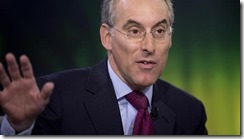
‘Valuation, lack of earnings growth, Fed hike on the horizon-that’s sort of the see-saw that basically leads you to ‘flat is the new up.’ You should be expecting that kind of a return in this market,’ he said. Kostin advised that investors focus more on cyclical stocks, favor value more than growth, and emphasized avoiding companies that might be overexposed internationally.

 jim cramer2Cramer on ‘Mad Money’ Tuesday night last called China’s devaluation a ‘Trade War.’ He said that the Chinese want their people to buy the products made at home and not from somewhere else. He called the move desperate. And this move was something five times bigger than anything the Chinese have done in the last decade. He also said that what it could mean is that there is more risk in the world growth than we thought. Cramer advised rotating back to dividend stocks and domestic stocks with no exposure to China can go higher.

This is the same tack that Europe and Japan did to stimulate exports, Cramer said.It’s working and that’s why he’s worried. CNBC August 11, 2015


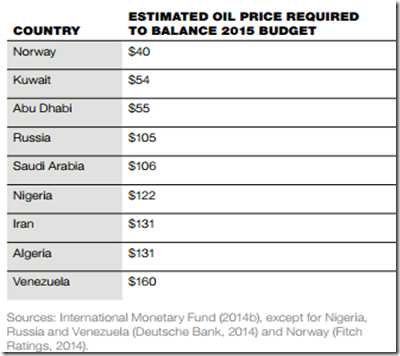
The Saudi’s Are Still Pumping Oil. But Could Lose The Petro-War With U.S. Frackers.

Was8944953 According to the U.K. Telegraph/August 5th. The Saudi’s have misjudged badly the growing shale threat. Bank of America says OPEC is now effectively dissolved. One Saudi expert said,’The policy (Saudi’s refusing to stop drilling and sending oil to market) hasn’t worked and it will never work.’ The Saudi’s are behind the oil wars and by causing the price to crash have certainly killed off prospects for a raft of high cost venture… Even if shale drillers, who have been cushioned by hedging contract, go belly-up, the wells will still be there. Stronger companies will mop up on the cheap, taking over operations. Once oil climbs back to $60-even $55- they will crank up production immediately.OPEC faces a permanent headwind. Each rise in price will be capped by a surge in U.S. output. Saudi Arabia is effectively beached, wrote the Telegraph. It relies on oil for 90% of its budget revenues. There is no other industry to speak of. The U.S. oil industry has greater staying power than the rickety political edifice behind OPEC. chart oil prices needed to break even
IN OTHER NEWS…

BERKSHIRE AGM

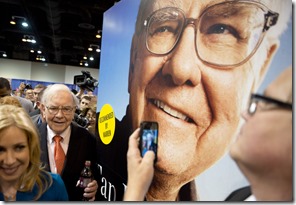
WARREN BUFFETT: NO REAL WEAKNESS IN THE ECONOMY. THE ECONOMY IS ON THE RIGHT TRACK. THE ECONOMY HAS BEEN IMPROVING SINCE THE FALL OF 2009 AND IT CONTINUES TO IMPROVE. cnn ‘One on One’- August 10, 2015

knife throwing  After dropping 10 out of the previous 11 sessions, ending the week before last, Cramer called the markets ‘A Falling Knife’. The vast majority of portfolio managers have suddenly become fearful of buying the dips, he said, on his program ‘Mad Money’, August 6, 2015.

MONDAY AUGUST 10TH MARKETS MARCHED TRIPLE DIGITS RIGHT FROM OPENING BELL. SOME ANALYSTS CALLED IT A ‘DEAD CAT BOUNCE’, AND DIDN’T EXPECT MUCH FOLLOW THROUGH. CNBC august 10, 2015

 stockmarket6  Nuveen Asset Management, August 3, 2015: ‘We do not believe the current equity bull market will be ending any time soon. In our experience, bull markets tend to end under three circumstances:

  • Rising inflation triggers aggressive Fed tightening.
  • Policymakers make some sort of mistake.
  • External shock occurs.

# 3 appeared suddenly and without prior warning by the Chinese Central Bank this past week as an excellent example of an event not of our doing affecting our economies and markets. So while the 3rd circumstance is impossible to predict, we see no signs that either of the first two are on the horizon.’


heather kennedy miner GOLDMAN SACH’S HEATHER KENNEDY MINER, GLOBAL HEAD OF STRATEGIC ADVISORY SOLUTIONS WITHIN GOLDMAN SACHS ASSET MANAGEMENT, ANSWERED: HOW DO STOCKS ACT WHEN RATES RISE?

  • In the U.S. large capitalization equities have frequently staged short-term dip as investors assess the change in environment, but these episodes have frequently proven to be buying opportunities.
  • History shows that diversified bond portfolios have often turned positive within a period of a few years even amid rising interest rates.

(The problem not addressed in the article regarding bonds and what happened over a period of systematic rate hikes where investment managers were unable to roll their portfolios into newer, higher yielding bonds, as the author suggested. You’d have to believe it would be like the dog chasing its tail.) Source Barrons.com Wall Streets Best Minds 8/5/2015


GAME SHOW4 IF YOU LISTEN TO THE ‘FINANCIAL NEWS’ THERE IS A WHOLE LOT OF GUESSING GOING ON.

Made me smile…
august cartoon3

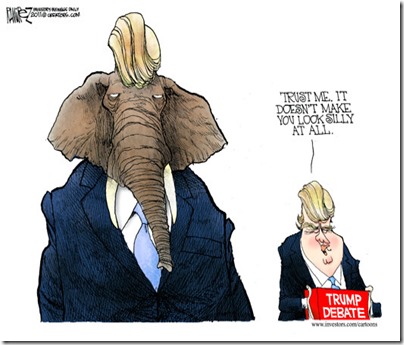
trump cartoon august 2015

august cartoon4


CASH AS AN INVESTMENT SECTOR VERSUS…?

rich guy5 Investors often forget using cash as an investment sector. The most common thinking is that one should be fully invested at all times. In an environment where rates may be rising (and therefore principal value falling in fixed income) and equities under duress perhaps the best sector to  sit things out and‘wait for opportunities’ is cash. While cash won’t return much return on investment it won’t be susceptible to pressures from either the fixed or equity side. Here I’m not suggesting timing the market or even holding cash for an extended period of time. But use the money markets in an asset allocated portfolio as a way to reduce portfolio risk, maintain stability and have fire power when buying opportunities arise. Cash can be used in place of untested hybrid fixed income and intermediate bond funds as part of a total portfolio asset allocation.


sherlock holmesI’VE ALWAYS SUSPECTED BUT DIDN’T REALLY KNOW FOR SURE… Activist investors have had huge backing from Big Mutual Funds. We’ve known a large amount of ‘start-up’ money for today’s uber-firms has come pre-IPO from large intuitional money management companies but were never really sure these same firms were on the same side of the table as ‘investor activists’. The WSJ 8/9/2015 confirmed that in a report that these days mutual fund companies are doing what many investors thought impossible, siding with activists to get board seats, changing ideas, cost cutting and getting companies to buy stock back. Last year fund firms were behind the push to remove the entire board of Darden Restaurants and get G.M. to increase their share buyback. ‘Everyone is looking for an edge,’ said Peter Langerman, head of Franklin Templeton fund unit. Private talks between funds and activists are more common. Companies have also understood the importance of courting their institutional shareholders and have been bulking up their investor-relations departments. The recent changes at Microsoft were supported by Capital Research and it went as far as withholding support for the re-election to the board of Messrs. Ballmer and Gates. Almost a year later Ballmer announced his retirement.

CHART ACTIVIST TARGETING BIGGER COMPANIES

While regulators focus, almost totally, on fund costs to the shareholder the value of today’s mutual fund management provides investors with an almost watchdog approach to enhancing their investment. SOURCE WSJ 8/9

Warren Buffett has never been a big timing the market kind of fellow. He’s bought, added more to the same holdings when conditions have made his picks cheap, and held. Over the years he’s sold some of what he’s bought only to buy more that he perceived as having value. One of Buffett’s lessons is that people don’t sell their house whenever it falls 5%-10% in value and then buy it back later. The same is true with investments. The big winners through the last recession were those investors who didn’t sell but stuck it out and held (some added to their holdings). This last week and the China devaluation may have been the correction we’ve been looking for.

 Finally- Check out the Canadian dollar versus U.S. dollar discount. At the close of business August 11th the approximate was $1.30. With cheap gas and that kind of U.S. dollar muscle power a weekend trip to Toronto is the cheapest its been in ages. vacation3 SOURCE GOOGLE FINANCE. COM

QUESTIONS, CALL PAUL @ 586 295 0430 or WRITE HIM @ pstanley@westminsterfinancial.com SHARE THIS BLOG WITH SOMEONE WHO CARES ABOUT THEIR MONEY.

SECURITIES OFFERED THROUGH WESTMINSTER FINANCIAL SECURITIES, INC.,MEMBER FINRA/SIPC.

Monday, August 10, 2015

That Was The Week That Was-1st Week August


strong6 STRONG LABOR MARKET-NEAR LOWEST LEVELS IN FOUR DECADES- SHOULD BOLSTER U.S. GROWTH. Labor Department reported lowest jobless claims week ending August 1, 2015, was the lowest since November, 1973.  Since early March, claims have remained below the 300,000, a level economists say is typically consistent with an improving job market. This is the longest stretch since 1972. The jobless rate held at a seven year low of 5.3%. Bloomberg.com 8/6/2015

2015 May Be Repeat of 1904!

1904    Investment Strategist Tom Lee looked back 111 years to find a year that is comparable to what is happening today. He found that in 1904 . It was the only other time of two quarters of zero stock market gains that happened back to back. What happened next was that the 1904 market surged 41% in the second half. Things were very different back then: There was no Federal Income tax. no woman’s suffrage and no S&P 500-Index. While agreeing we’re living in much different times Lee says that the lesson is to avoid shorting a dull market. He points to what happened in 1904 as a prime example. CNBC.com 7/26/2015

patience2patience is more than a virtue…


WHAT EVERY SECTOR GDP DID IN 2ND QUARTER

CHART SECOND QUARTER SECTOR PERFORMANCE

401K ROLLOVER REDUX

Leaving Your Employer and Wanting to Roll Your Retirement Plan to an IRA? If the regulators get their way expect more paperwork, longer consulting time with your financial advisor, confusing compliance questions and lots of signing of documents if and when you want to roll your employer 401k/retirement plan to your I.R.A. It’s not all sorted out yet but it’ll be more difficult for an ‘advisor’ to assist you in a rollover because the new compliance rules on having you keep your assets at your old employer’s plan will be more in line with fee-only advisors than registered representatives. There are some good reasons why some people should hold their assets with their old employer. Here are a few:

  • You are age 55 and want to start taking income without paying a 10% penalty for early withdrawal. (There is a specific window to do this).
  • The expenses with your 401k plan are extremely low coupled with an extensive investment menu.
  • You have a loan on your 401k and when you roll it to an IRA the loan becomes taxable income.

The problem is not all employees have great plans with great expenses and want to leave their money with their old employer.


nurse

Average Cost in Michigan For Nursing Home Care is Approximately $249.00 a day. New York charges $14,000 a month and with a median balance in a retirement/savings account of $104,000 for folks between 55-64, the cost of care easily eats up all the accumulated savings. The cost of long-term care insurance is also quickly escalating. Families need to do some serious planning on the consequences of the need for long-term elder care. Sources various including MarketWatch.com 7/25/2015 


teaching about money EXPLAINING RISK & RETURN

number 1 10

Here’s an easy way to communicate with your advisor on how much you would like to earn and how comfortable you are with the associated risk on your investments. The above numbers represent annual returns. The 10 is an approximate of the annual return of the S&P 500 Index from 1928 to the present. That would be market risk. The number 1 represents cash and 3 the 30-year Treasury at this moment in time. The one thing you cannot have is market return (10) and zero risk. The two don’t go together. Risk and return are tied to each other like the foot bone is connected to the toe bone. As long as you understand that you won’t be disappointed or surprised.


 risk reward

The Concept of Asset Allocation (Not Diversification) Is To Minimize Risk While Maximizing Return.To do this one needs to know the risk/return of each asset. For example the less risky asset would be cash with equities having larger risk but greater possibility of return. The lesser risk is associated with sectors that do not provide as much return, and may continue to do so far into the future.

The normalization of interest rates to where they were before 2008 may not come in the Boomer’s lifetime. In the meantime inflation and taxes erode the value of the purchasing power of savings while fearful Boomers sit on the sidelines waiting for that ‘explosion’ of interest rates. waiting6

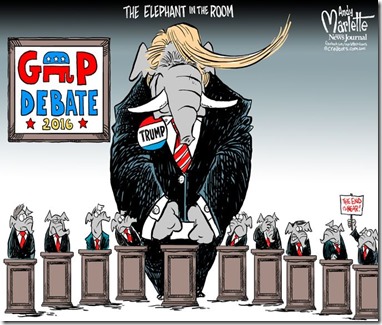
trump cartoon 8 2015Why the Donald? Peggy Noonan answered in Sunday’s WSJ 8/2. It’s not because voters dislike government. It’s because they have contempt for government.

OLD NEWS:

DICK FULDDick Fuld, ex-CEO Lehman Brothers, and the only CEO to have his lights punched out by a disgruntled employee for his corporate mismanagement, made a case for his decisions in the 2008 market meltdown  after a six year hiatus from the public eye. Fuld spoke at the May 29th Marcus Cronus MicroCap Conference in midtown Manhattan. Many insiders and outsiders blame Fuld for the demise of Lehman Brothers. He is reputed to have been the most despised CEO in the financial industry. After speaking one wag was reported as saying, ‘No one cares.’ Business Insider May 29 2015

NEW NEWS:

BEN LEVISOHN IN ‘STREETWISE’ BARRONS.COM 8/1/2015. In a cutely titled column, ‘Bad Breadth’, reported that only a handful of companies have been keeping the broader market afloat. While not a good sign Levisohn thinks of them like Spartan soldiers holding back the Persians until Greek forces could regroup and win the war. ‘Declining Breadth,’ Levisohn informs, ‘doesn’t always signal the end of the bull market.’ Adam Parker, Morgan Stanley strategist, said that the combination of a slowly growing economy, combined with mild inflation and a Fed that will take its time hiking rates, could actually be good news for the market.’

OUCH2MONDAY MARKETS DOWN 200 POINTS DURING TRADING CLOSED OFF 92 POINTS ON THE DOW. TUESDAY MARKETS DOWN SLIGHTLY. roller coaster Wednesday The Dow Shot Up at the Bell and By 2PM was in negative territory while the Naz was up. Markets closed mixed. Thursday markets opened higher, and quickly reversed direction as oil fell below $45 a barrel. In the last 11 market sessions oil and the DJIA have traded in tandem 10 out of those 11 days. CNBC 8/6/2015

Made me smile…cartoons 20156 USA TODAY


The following chart signals opportunities to invest in various business cycles. While not engraved in stone investors may use this as a general guide to add or delete certain sectors. Past performance is no guarantee of future results.

investment sectors and business cycles

Source Fidelity Viewpoints 10/14/2014 www.fidelity.com Sector investing using the business cycle.

idea2015 MID YEAR OUTLOOK FROM IVY FUNDS: Phil Sanders, Ivy Funds CIO, and co-portfolio manager of the Ivy Large Cap Growth Fund: ‘…I think the strong cash flow story in the U.S. stock market is underappreciated and important. If you watch CNBC and read the news, you’ll find a lot of things to worry about in the world. But when you spend your time meeting with company managements and understanding what is going on at the individual company level, it is a different story. Many companies are doing really well. They are innovating, showing tremendous financial strength, finding market opportunities and keeping their balance sheets in great shape.’ Source Ivy Funds 2015 Midyear Outlook.

Oil cannot find support. Jim Cramer on CNBC 7/21 said, ‘If you’re long, you’re wrong.’ Either the fundamentals are wrong or hedge funds are liquidating. Oil and the DJIA have been trading in tandem. CNBC 8/6/2015


Questions, call Paul @ 586 295 0430 or write him at pstanley@westminsterfinancial.com. Share this blog with someone who cares about their money.

SECURITIES OFFERED THROUGH WESTMINSTER FINANCIAL SECURITIES, INC. MEMBER FINRA.SIPC.

Monday, August 3, 2015

That Was The Week That Was- 5th Week July


toiletThe Big Flush Has Already Happened… See what the CIO of First Trust had to say later in this blog about that massive correction you may be waiting for.


fast food worker Part-Time ‘Financial Planners’ Are Still Out There. From school teachers to fry cooks there are people that ‘think’ they can transition from one full time job to a career in the investments business but do it in baby steps. I used to do a lot of work in the 403b business in various K-12 schools and was amazed how many teachers counted another teacher as their financial advisor. When I started in the business the business of recruiting part-time mutual fund or life insurance salespeople was extremely active. There were few compliance concerns at the time so sales agencies didn’t care where they got their business. If someone was a full-time engineer but ‘thought’ they could make a career in selling financial products and only sold family, friends and co-workers, that was fine with their part-time agency managers.

Some years back I met someone who had over $100,000 invested in funds she knew little about, never saw a statement and her ‘financial’ advisor was a full time manager at the local fast food joint. She didn’t think this odd since she saw him several times a week when she stopped by for her food order. The broker-dealer I was affiliated with decades back had many ‘housewives’ as their representatives. These suburban homemakers sold financial products to their PTA friends, neighbors, their hair and nail stylists and one said to me, ‘It beats the heck out of selling Avon or Tupperware.’ The moral is if someone tells you about their financial advisor but they work fulltime somewhere else tell your friend to be wary. The investment business is a fulltime job and not something someone can invest four a five hours a week, or month, and be expected to do an adequate job. ‘You want fries with that non-correlated fund?’

Made me smile…

NEW YORKER CARTOON JULY 20 2015

New Yorker 7/20/2015

apple with muscles Exactly How Much Cash Does This Company Have? According to CNBC.com 7/21/2015, Sarah Whitten reported over $203 billion which there are only 14 companies in the S&P 500 index that have a larger market cap than this company has cash! The total cash hoard is:

  • The GDP of the Czech Republic
  • Five times the value of all 30 MLB teams
  • The GDP of Peru
  • Handing each person in the U.S. a check for $632


Fear Mongers Amongst Us…scary8

You cant turn on the radio, cable television or read an internet blog without having someone try to scare the dickens out of you that the economic world is coming to an end and the stock market is a meltdown just days or weeks from happening. We’re all going to lose if we’re invested in common stocks, corporate bonds or money markets. The safest place is whatever gimmick the Fear Monger is trying to sell and eventually, one day, maybe years from now, a correction will happen where they can say with authority, ‘Told You So.” But if you listen to the professionals, those with the real credentials who have a history of spotting ‘frothy’ markets and bubbles, they will say that the time is definitely not now. jeremy granthamJeremy Grantham told the 27th annual Morningstar Investment Conference in Chicago a week ago last Wednesday that he doesn’t see a trigger that would deflate valuations in the stock market…yet. He did say that the two popular methods for estimating fair value are ‘approaching bubble land, but that is not a cause for concern.’ The U.S.economic boom is still ‘middle-aged’ and bubbles don’t burst unless the economy has reached beyond its capacity.’ Grantham is co-founder and chief investment strategist of Grantham Mayo van Otterloo. He’s known for warning about the Japanese real estate valuations in the late 1980s, the tech stocks in the late 1990s and the U.S. housing crisis in the late 2000’s. Source CNBC.com 7/24/2015.

lemmingThere is a World of Retail Investors that Still Loves Fixed Income and There Are Money Management Firms Only Happy to Oblige. The other day a fine mutual fund firm called and pitched me their latest new hybrid fixed income mutual fund that was sure to withstand higher rates and put a smile on investor’s faces. The sales talk is all about ‘yield’ but the total return tells a different story. When I declined to consider it for my clients the ‘sales desk’ asked, ‘Well what are you doing to help investors reduce risk?’ Cash comes to mind, I said. After the call I researched a handful of 4 & 5 star rated by Morningstar Corporate Bond Funds, including the caller’s, with yields ranging up to 150% of the 30-Year Treasury. The best fund’s total return that I researched was barely positive year-to-date (July 26, 2015), and negative for all the others. (There may have been some fixed income funds that have done much better but I did not see them). The sizzle some firms are selling is all about the yield but the real story is what you can actually end up with in your pocket. When someone tries to sell you a fixed investment that ‘yields’ a huge number that may make your ears perk up with interest. The one question to ask is what the investment actually nets year-to-date. Looking for bonds consider individual issues and then hold to maturity. True there will be volatility but with a quality issue and no default, you will receive your original investment at maturity something no one can say with certainty about a bond mutual fund or ETF at this juncture.


BEFORE THE BELL MONDAY CHINA MARKET DOWN 8.5%. CNBC.COM 7/27/2015down arrow The worst month for China Markets in 6 years. MarketWatch.com 7/31/2015

U.S. CLOSES DJIA OFF 128 POINTS FOLLOWING CHINA ROUTE. Erosion of confidence, Brian Fenske, head of sales trading at ITG, said about China’s stock market that when an index falls 8.5% there are many individual stocks that are down 20%-30%.MarketWatch,com 7/27/2015

China selloff continued Tuesday as 11% lost from the Shanghai Composite Index. WSJ 7/27/2015

robert c dollRobert C. Doll, CFA in Nuveen Asset Management Weekly Commentary 7/27/2015:

  • Equities may be stuck in a trading range until uncertainties over Fed policy and global growth diminish.
  • Improving economic growth should allow corporate earnings to improve, helping stock prices to grind unevenly higher.


Z’Bounce! tiger bounce Tuesday. The DJIA Closed Up 189 Points.


Concern Regarding The Dow Transports (If You Believe in Dow Theory) Are Down 9.5% Year-to-Date. The transports  are the link between those that make the goods (Dow Jones Industrials)- and those that consume them. chart dow versus transports

Chart FactSet MarketWatch.com 7/28/222015.Tomi Kilgore.


MARKETS UP AGAIN WEDNESDAY +121 DJIA.happy and dancing cLOSEd mIXed Thursday.

chris hyzyChris Hyzy, CIO, of U.S. Trust Reiterated His Belief We’re In the Beginnings of a Massive Bull Market on CNBC 7/29/2015. Yes- B E G I N N I N G S! He went on to say that people are waiting for that one big crash or drop in the market and it’s already happened. He pointed to several, almost double digit, drops last year. ‘The Big Flush Has Happened,’ he said. Hyzy is no stranger to the Bull Market scene having expressed his views last year in August on CNBC. Then he predicted 3 1/2% growth for 2015 and financials as the leading investment sector. He also liked energy and technology. .

leon coopermanLeon Cooperman,CEO, Omega Investment Advisors, appearing with Hyzy, said that we can expect a long low interest rate environment. This will be the longest Bull Market in history, he predicted. CNBC.com 7/29/2015 In August on CNBC Hyzy said it’ll last 20-years.

Inflation adjusted personal consumption grew at 2.9% annual rate in the second quarter of the year. Up from 1.86% in the first. This is a nice way of saying that folks are spending their energy cost savings. WSJ 7/31/2015

Questions call Paul @ 586 295 0430 or write him @ pstanley@westminsterfinancial.com. Share this blog with someone who cares about their money.

SECURITIES OFFERED THROUGH WESTMINSTER FINANCIAL SECURITIES, INC., MEMBER FINRA/SIPC.